
Iran War Impact on India: Rising Oil Prices and Economic Pressure
The ongoing Iran conflict has become a major global concern, and although the war is happening far from India, its effects are being felt across the country. From rising fuel prices to pressure on the Indian Rupee, the conflict is creating economic uncertainty for businesses, students, and common families alike.
One of the biggest reasons India is affected is oil. India imports nearly 90% of its crude oil from other countries, and a large portion of global oil supply passes through the Strait of Hormuz — a critical route near Iran. As tensions in the region increased, fears of supply disruptions pushed international oil prices higher. Reports suggest crude oil prices have crossed major levels due to the conflict and shipping risks in the Middle East.
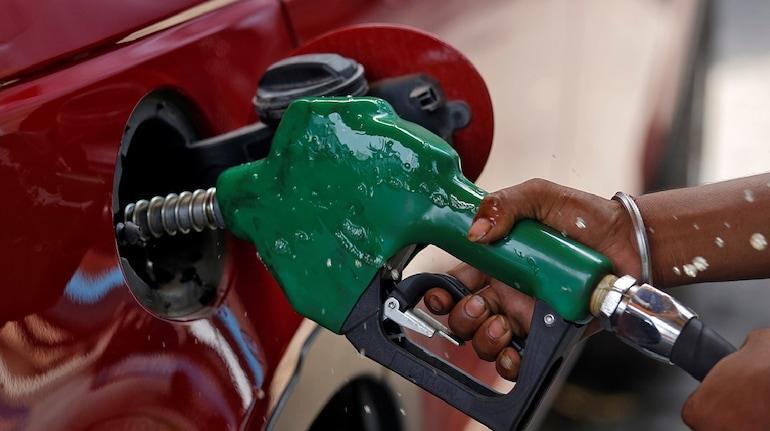
When oil becomes expensive globally, India has to spend more money importing fuel. This directly impacts petrol and diesel prices, transportation costs, and the prices of everyday goods. From vegetables to online deliveries, almost everything becomes more expensive because transportation depends heavily on fuel.
The conflict has also put pressure on the Indian Rupee. Recent reports showed the rupee touching record lows against the US Dollar as investors became nervous about global uncertainty and rising import bills.
A weaker rupee creates even more problems because India needs more rupees to buy the same amount of oil in dollars. This increases inflation and affects the overall economy.
The impact is not limited to fuel alone. Airline ticket prices may rise because aviation fuel becomes costlier. Businesses that depend on imports also face increased expenses. Small businesses and middle-class families often feel the pressure the most because daily living costs gradually increase.
Another concern is foreign investment. During wars or global tensions, investors usually move money toward safer economies like the United States. This can reduce investment in developing countries like India and create instability in stock markets. Experts have warned that the Iran conflict is increasing pressure on India’s economy, trade balance, and currency stability.
However, India is also trying to protect itself by diversifying oil suppliers, increasing strategic reserves, and strengthening economic policies. The government and the Reserve Bank of India continue monitoring inflation, currency fluctuations, and market conditions closely.
For common people, the Iran conflict is a reminder of how deeply connected the world economy has become. A war happening thousands of kilometers away can still affect fuel prices, food costs, travel expenses, and household budgets in India.
In the end, the biggest challenge for India is maintaining economic stability during global uncertainty. While the country may not be directly involved in the conflict, its economy still feels the pressure of rising oil prices and international market instability.