
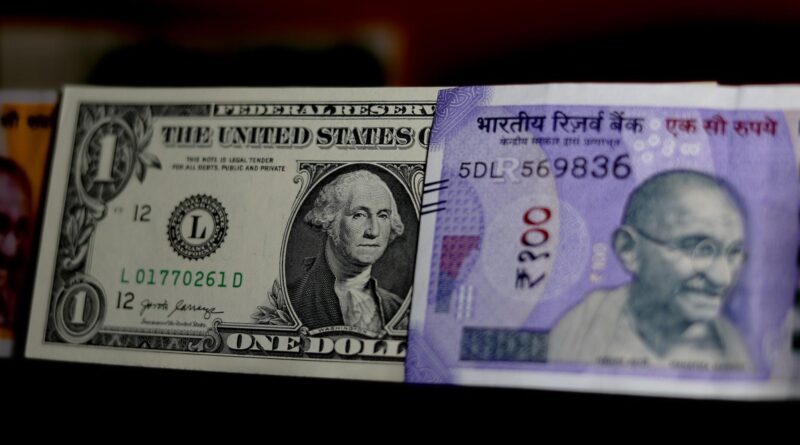
Why the US Dollar Rules the World and Why the Indian Rupee Keeps Falling
By Bloggerz Team
The US Dollar has become the most powerful currency in the world, and its growing strength affects almost every country — including India. Whenever the dollar rises, the Indian Rupee often weakens, leading to higher prices, expensive imports, and economic pressure. But why does this happen so frequently, and why is the dollar more dominant than other currencies?
The main reason is global trust. The United States has one of the world’s largest economies, and the dollar is used for international trade, oil purchases, foreign investments, and global business transactions. Because of this, countries across the world store dollars as reserves and use them for financial stability.
India, like many other countries, depends heavily on imports such as crude oil, electronics, machinery, and technology products. Most of these are purchased in US Dollars. When the demand for dollars increases, the value of the dollar rises while the rupee becomes weaker.
For example, if one dollar earlier cost ₹70 and later costs ₹85, Indians need to spend more money to buy the same amount of dollars. This is called rupee depreciation.
One major reason behind the weakening rupee is rising imports. India imports huge amounts of crude oil every year, and oil payments are mostly made in dollars. If global oil prices rise, India needs even more dollars, increasing pressure on the rupee.
Another important factor is foreign investment. International investors often move their money toward the US during uncertain times because they see the American economy as safer. This increases demand for dollars and weakens currencies of developing countries like India.
Global crises also play a big role. Events such as wars, inflation, economic recessions, or political tensions make investors prefer the dollar over other currencies. As a result, the dollar becomes stronger worldwide.
The impact of a weak rupee is directly felt by common people. Imported products become expensive, fuel prices can rise, international travel costs increase, and students studying abroad have to spend more money. Inflation may also increase because many imported goods become costlier.
However, there are some positive effects too. Indian IT companies, exporters, and businesses earning in dollars may benefit because their foreign income becomes more valuable when converted into rupees.
Experts believe that improving exports, strengthening local manufacturing, increasing foreign investments, and reducing import dependency can help India stabilize the rupee in the future.
The dollar’s dominance shows how connected the world economy has become. While the rupee may continue facing pressure in global markets, a strong and growing Indian economy can gradually reduce dependency on foreign currencies over time.
In the end, the strength of any currency depends on economic confidence, stability, and growth — and that is the real challenge for every nation today.